Experimental work is where I let curiosity take the lead. I enjoy trying unfamiliar materials, techniques, and ideas without knowing exactly how the final piece will turn out. This process keeps my creativity open and playful.
Experimentation is an important part of my artistic growth. Taking creative risks allows me to learn through trial, reflection, and revision, and it encourages flexibility and innovation in my approach to art.
My Family House Design
My parents bought this right-trapezoid-shaped lot during COVID. They thought it was a great deal… until the builders told them it was “too tight” to build on. Later, an architect agreed to help us. In this design, a few spaces had unusual angles, and many rooms were irregularly shaped, making the house feel less cohesive and less like a home.
So, I decided to try designing it myself. After many revisions, I managed to make all the rooms regular and functional while embracing the lot’s quirks. My favorite part? The private courtyard tucked into the narrow side. It brings in light, adds privacy, and makes the whole layout fun and unique.
This project taught me that everything has its potential. You must let creativity lead the way… and maybe a little persistence helps too!
Front Elevation v.1
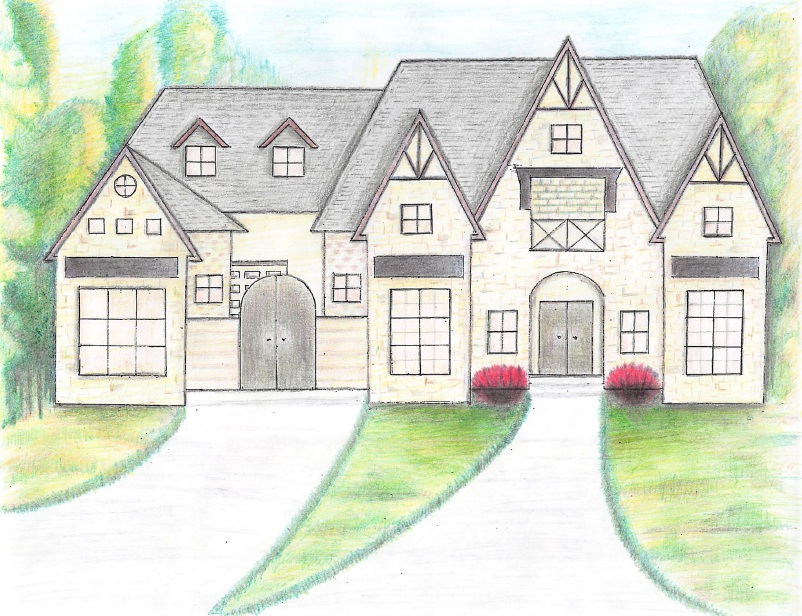
This project represents an initial front elevation concept for a contemporary suburban home, which I first drew at age 12. At this stage, my focus was on exploring proportion, symmetry, and overall form rather than final detailing.
I used a traditional gabled roof line and a balanced facade to create a clear and stable composition. The window placement was studied to understand how natural light and visual rhythm affect the overall elevation. Instead of adding decorative elements, I concentrated on establishing a clean structural foundation that could be refined in future iterations.
This early exploration is just a first step, with further development still to come, including material studies, dimensional refinement, and spatial considerations. Through this process, I began learning how small adjustments in proportion and alignment can dramatically shape the character and feeling of a design.
Home Site
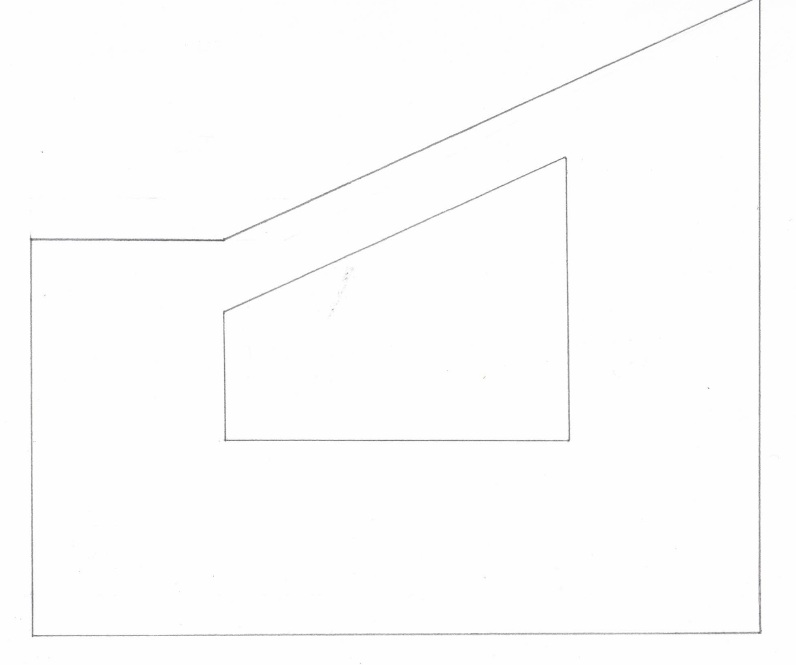
This diagram shows the site for our future home, including the lot boundaries and buildable area. The lot has an irregular shape, with a right-trapezoid inner area designated for construction. Roads border the East (bottom) and North (right) sides of the lot, with a cul-de-sac entering from the South (left). Trees along the North and East edges define natural boundaries and provide privacy.
This early study helped me explore how the lot’s orientation could influence the design and how the home might respond to sunlight, circulation, and the surrounding landscape. Considering the relationship between buildable space, access, and natural features helped me understand the balance between practical constraints and design possibilities.
Floor Plan v.1
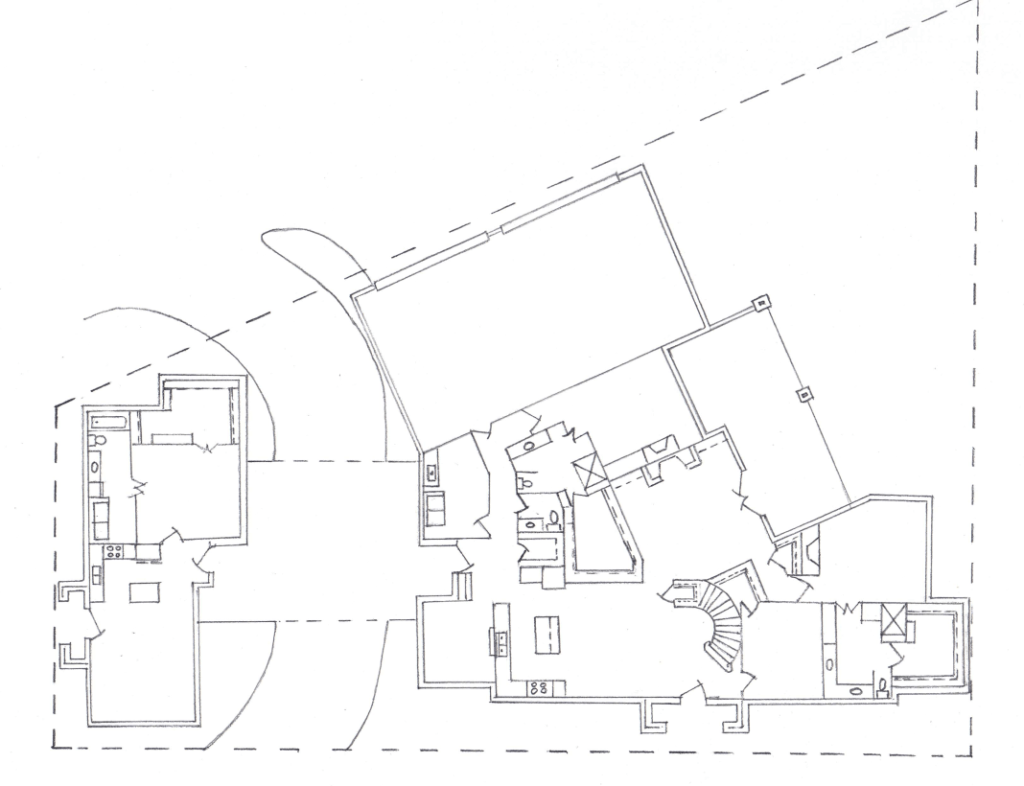
First Floor v.1
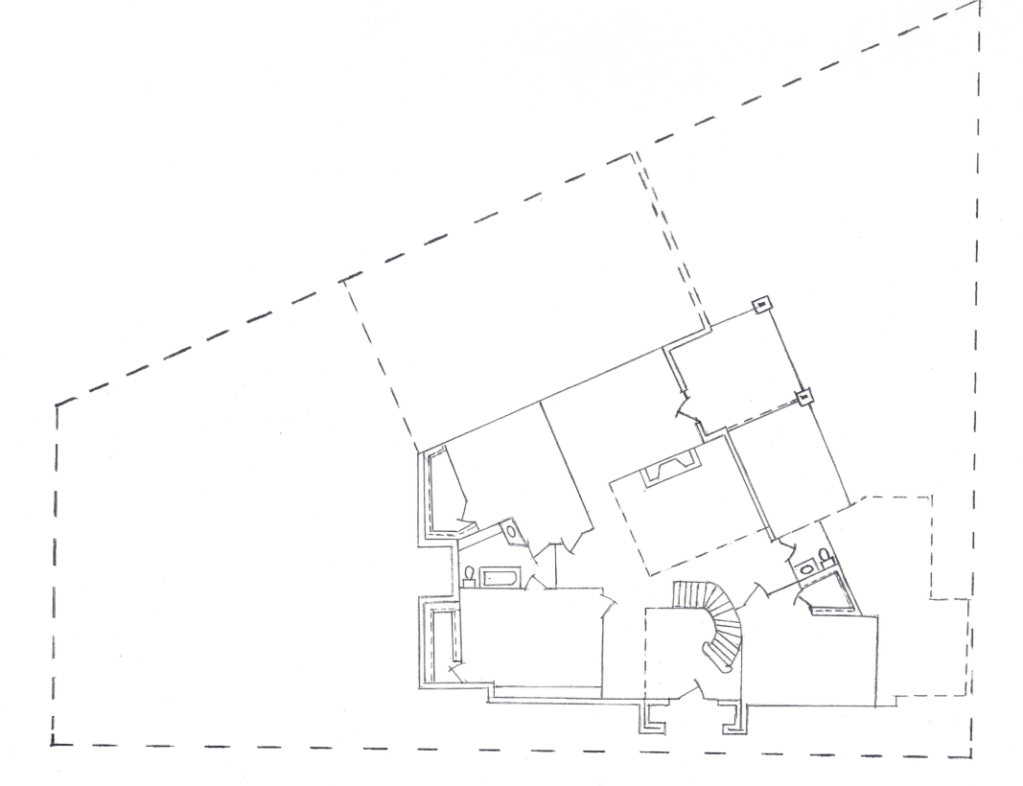
Second Floor v.1
The first version is a traced and reformatted reproduction of the architect’s original design, serving as the baseline for analytical comparison. The first floor includes three bedroom suites and a half bath, while the second floor contains two bedrooms sharing a full bath, along with an additional half bath. Several spaces, including the master bedroom, laundry room, and multiple closets, are irregularly shaped to accommodate the right trapezoid buildable area. The garage is oriented to the southwest, and one bedroom suite is limited to a single exterior wall, which restricts access to natural light.
Although the basic spatial requirements are met, circulation remains inefficient and daylight penetration is limited in several areas. The layout does not fully utilize the lot’s orientation or the adjacent tree lines, and certain spaces feel disconnected from the overall spatial hierarchy.
This version provided an opportunity to examine the challenges of multi level residential design, including movement flow, daylighting strategies, and spatial organization. Identifying these limitations established a clear foundation for subsequent design iterations.
Floor Plan v.2
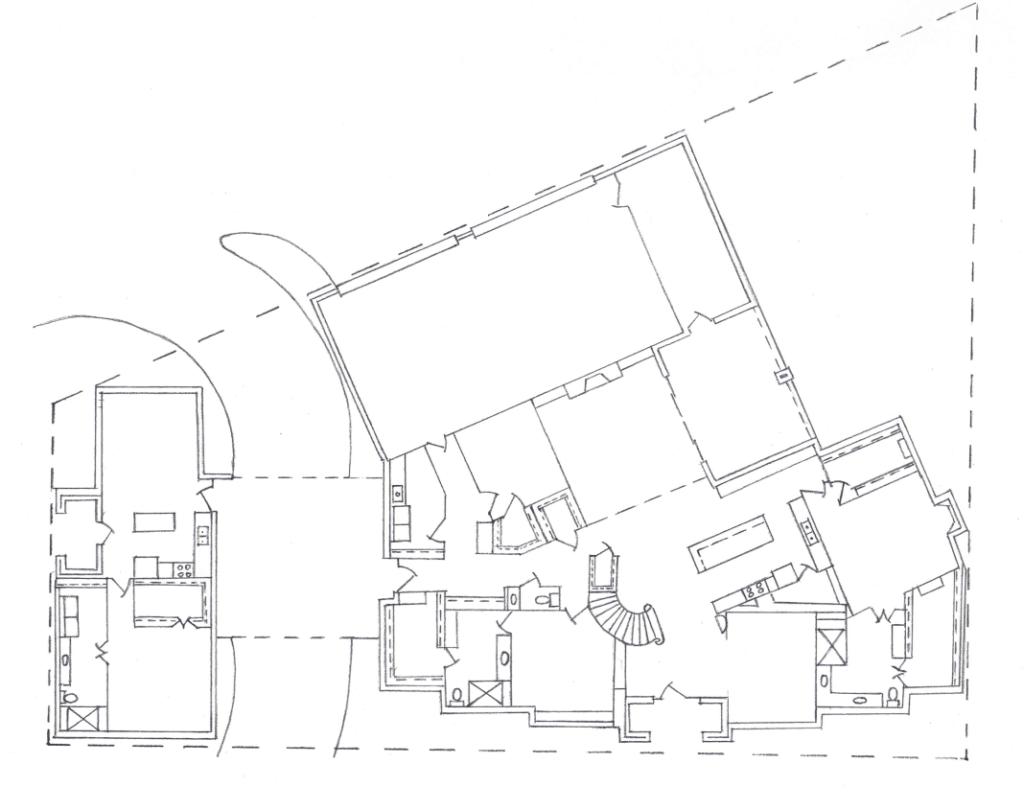
First Floor v.2
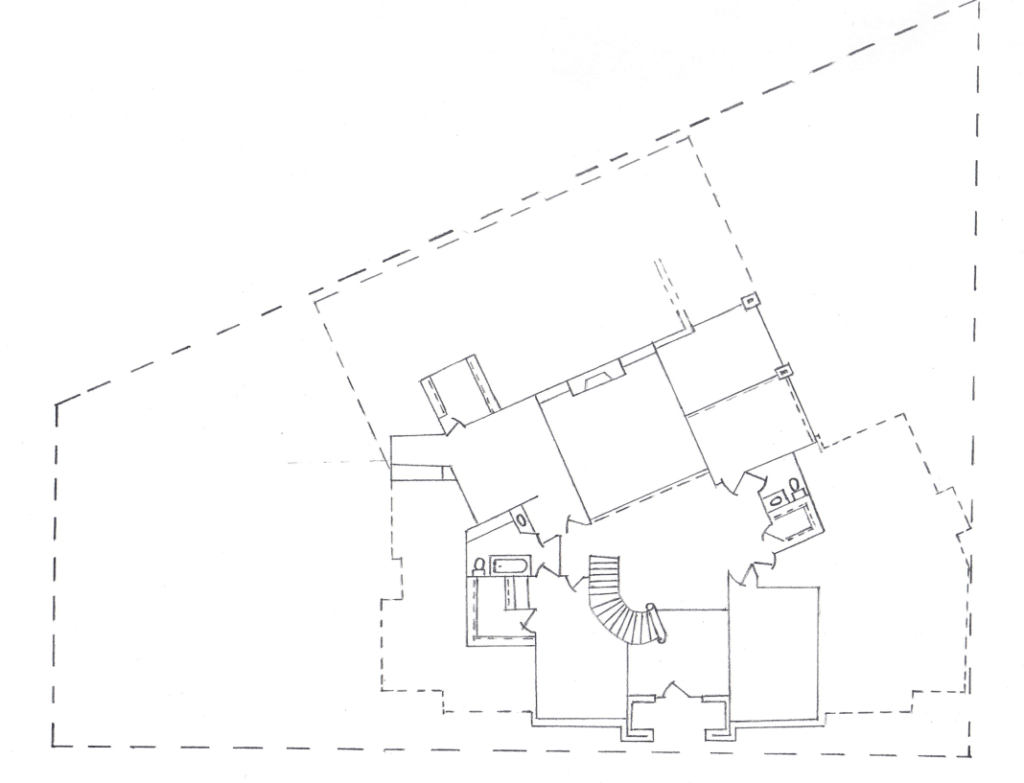
Second Floor v.2
The second version builds upon the original scheme, introducing targeted improvements to enhance daylighting, circulation, and spatial efficiency. The bedroom suite that previously had only one exterior wall was relocated to improve natural light exposure, and the master bedroom was reshaped into a more regular and functional configuration.
Circulation was also refined to create a smoother transition between rooms and floors, resulting in improved comfort and clearer spatial organization.
Floor Plan – First Floor v.3
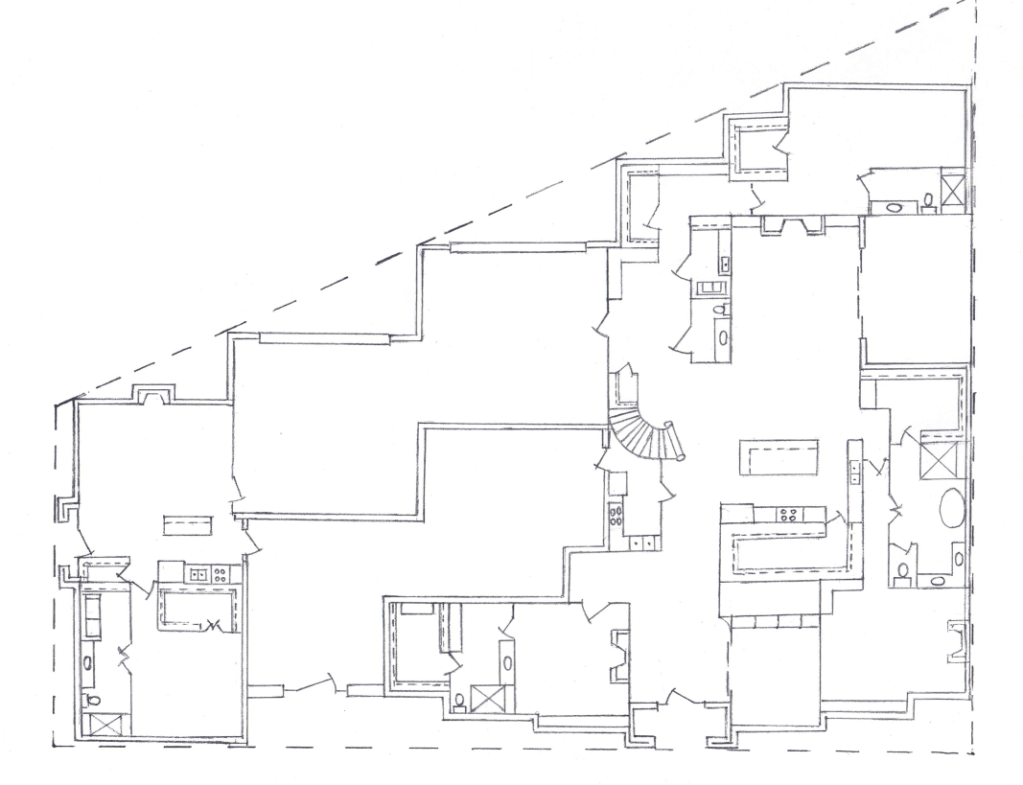
First Floor v.3
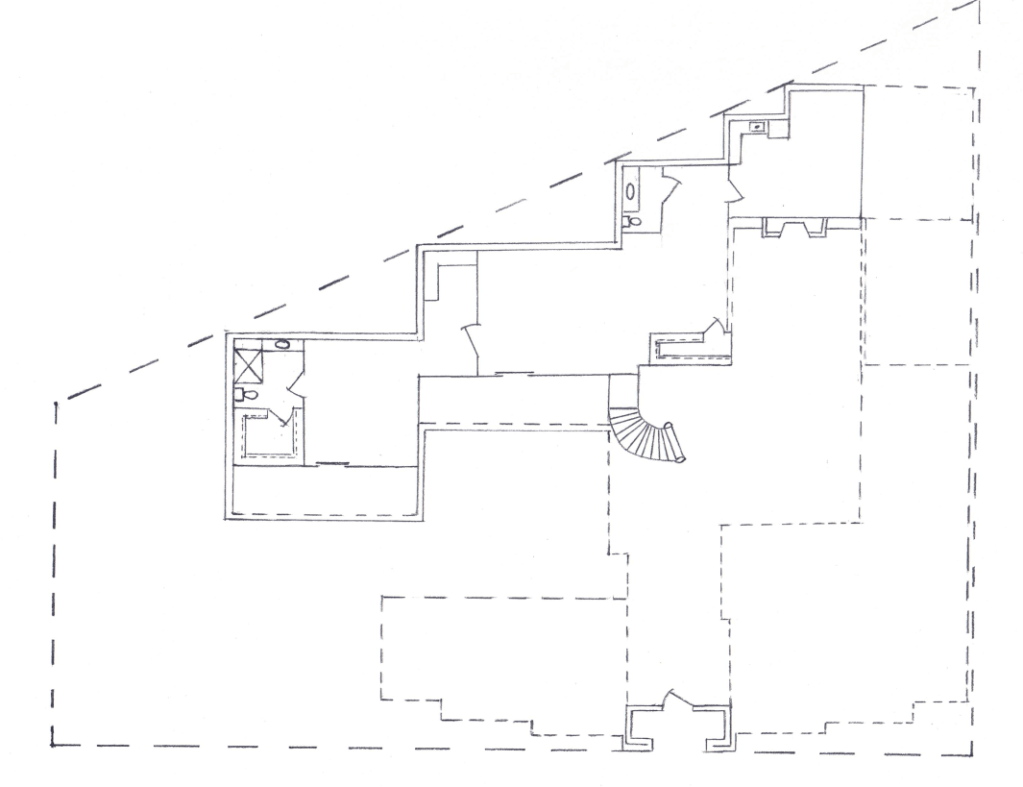
Second Floor v.3
Version 3 introduces significant changes to the overall layout. The bedrooms were repositioned to the corners of the lot to maximize natural light, strengthen connections to the surrounding tree lines, and establish clearer spatial separation between private suites. This reorganization enabled a more open and cohesive living area, where the grand fireplace aligns directly with the kitchen, reinforcing visual continuity and improving overall flow.
The original four-car garage was divided into two separate two-car garages, allowing them to stagger and reorient west instead of southwest. This reconfiguration creates a more balanced and regular composition. Additionally, it establishes a private courtyard that mitigates the constraints of the lot’s geometry, increases natural light, and introduces a distinctive architectural feature.
Floor Plan v.6
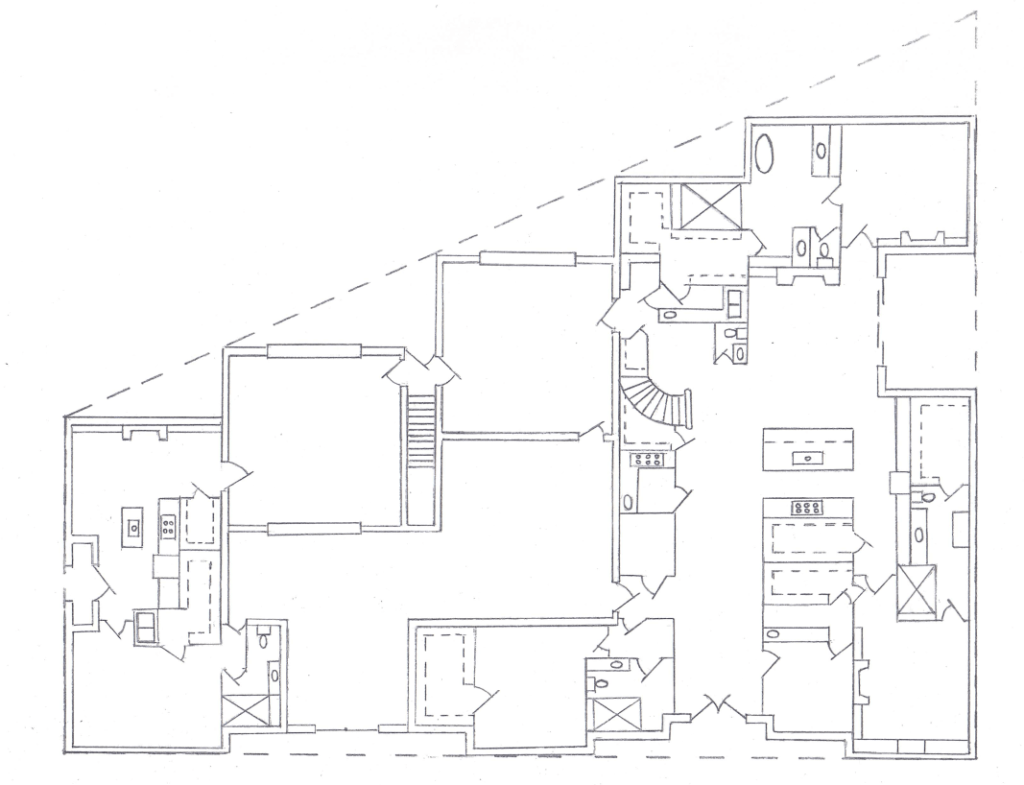
First Floor v.6
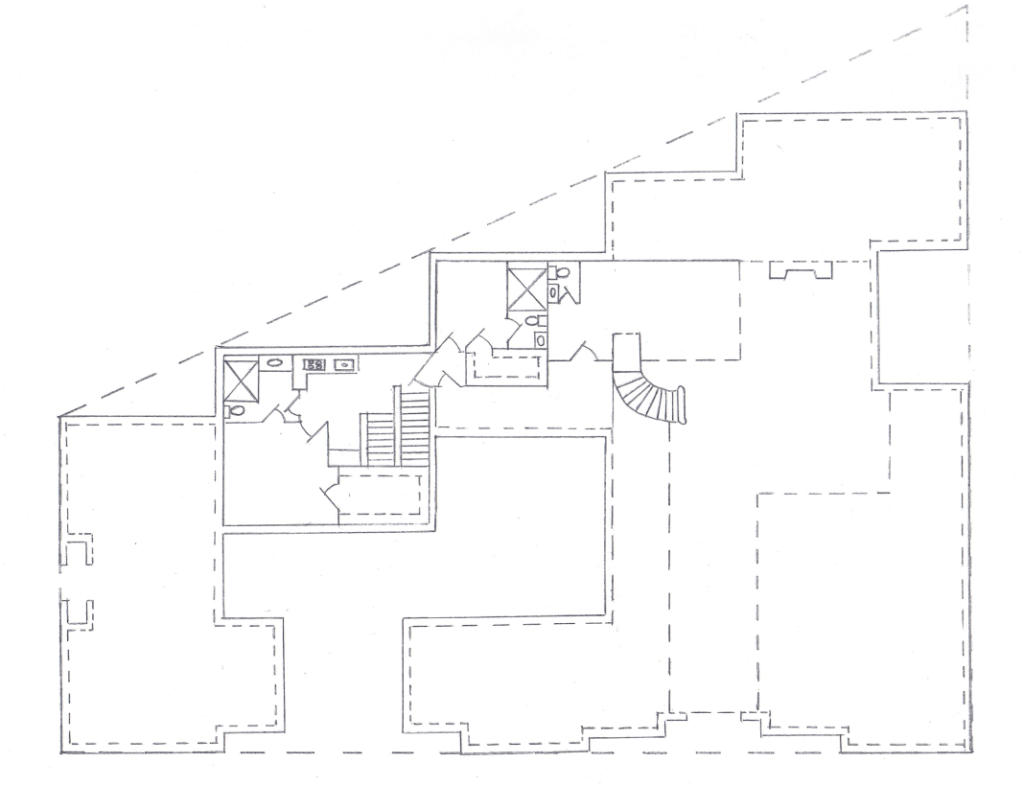
Second Floor v.6
Version 6 represents the most refined iteration of the design. In Versions 4 and 5, I explored strategies to improve space utilization and functionality through incremental adjustments to circulation and room adjacencies. Building on those studies, this final version simplifies the overall footprint to reduce construction complexity and enhance cost efficiency. Cleaner wall lines contribute to a more cohesive and buildable structure.
Further refinements improve daylight access in the bedrooms and strengthen overall circulation. These final adjustments reflect a more deliberate balance between design ambition and practical constraints, demonstrating the integration of aesthetics, functionality, and feasibility in architectural development.
 Olivia Jordan
Leave a comment