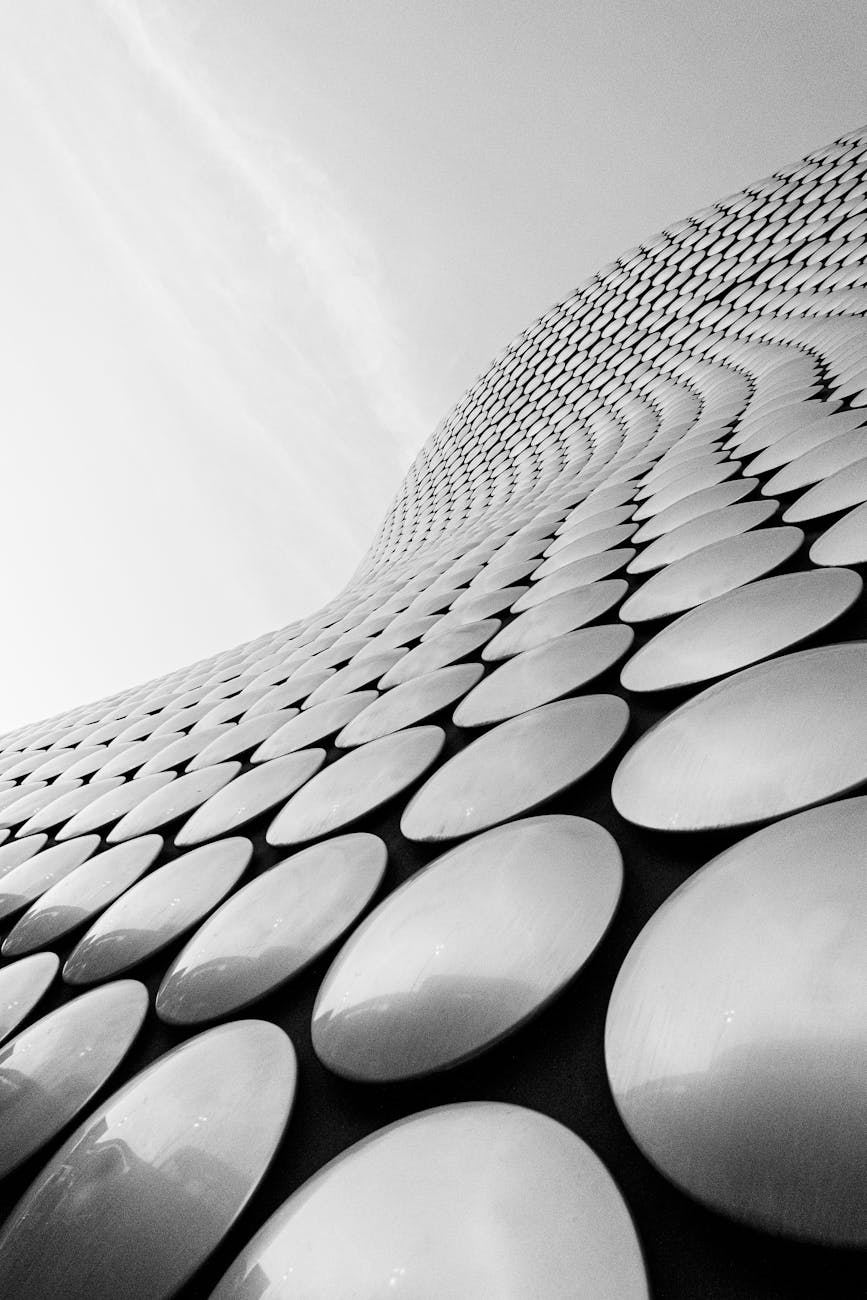
Exploring Patterns
Sometimes when I sketch, I do not have a specific subject in mind. I simply let my pencil or marker move freely across the page, often beginning with simple geometric shapes. At first, everything feels random. Lines overlap without intention. Colors appear without a clear plan. Slowly, something begins to happen. Lines repeat. Colors echo one another. Shapes begin to relate. What once felt scattered starts to form a quiet harmony.
I enjoy experimenting with contrast, repetition, and balance. A small adjustment, adding a darker tone, shifting a shape slightly, introducing a new color, can completely transform the feeling of a drawing. A warm color placed beside a cool one can create energy and tension. Similar colors can soften the composition and create stillness. I begin to see that color does not simply decorate form. It influences how form is experienced.
Over time, I have become more aware of how patterns in color, shape, and proportion guide the eye. These patterns are not merely decorative details. They are systems that hold a composition together. They create rhythm and coherence. When I notice a pattern emerging, it feels less like I am inventing something and more like I am uncovering an underlying structure. This idea of structure is what increasingly draws me toward design and architecture.
I see these patterns beyond the page as well.
In music, melodies repeat and develop. Themes return in altered forms. Harmonies support the main line, creating structure beneath emotion. A piece may sound effortless, yet beneath it lies repetition, variation, and proportion. Listening closely feels similar to studying a drawing, noticing how elements connect across time.
In skating, movement follows patterns too. A sequence is practiced repeatedly until it flows naturally. Steps build into jumps. Turns connect one phrase of motion to the next. The body traces arcs across the ice, forming visible lines and curves. Rhythm guides the movement, just as repetition guides a composition on paper.
In architecture, patterns organize space in a more permanent way. Windows repeat across a facade. Columns establish intervals. Structural grids bring clarity and balance. Circulation paths guide how people move through a building, much like choreography guides movement on ice. Even the placement of openings and light creates patterns that shape experience throughout the day. These decisions are intentional. They allow a building to feel ordered, grounded, and thoughtful.
In nature, patterns appear everywhere once I begin to look for them. Leaves spiral around a stem. Waves rise and fall in steady rhythm. Branches divide into smaller branches, repeating similar proportions. Nature balances structure and freedom at the same time. Nothing feels rigid, yet everything follows an underlying order.
Recognizing patterns across music, skating, architecture, and nature helps me understand structure and flow before I even put pencil to paper. It trains my eye to notice relationships, proportion, rhythm, and balance. Patterns become a quiet framework that connects color, movement, sound, and space.
Exploring patterns is more than an exercise in composition. It is how I begin to think about design. I am starting to see that thoughtful structure does not limit creativity. It supports it. Whether arranging shapes on a page or imagining how spaces might connect within a building, I am drawn to the idea that repetition and variation can create meaning.
Even in these early explorations, I can sense that patterns are shaping the way I observe, imagine, and design. Every line, every color, every repeated form becomes a small discovery. Slowly, I am learning that understanding patterns is not just about making something look balanced. It is about understanding how parts relate to a whole, and how careful structure can shape the way people experience the world around them.
 Olivia Jordan
Leave a comment