Sensōji & Fushimi Inari Taisha: How Architecture Helped Me See the Sacred Differently
When I travel, I am usually more interested in how a place feels than in checking off famous sights. In Japan, I discovered that architecture can show that feeling in a really powerful way, especially at Sensōji in Tokyo and Fushimi Inari Taisha in Kyoto.
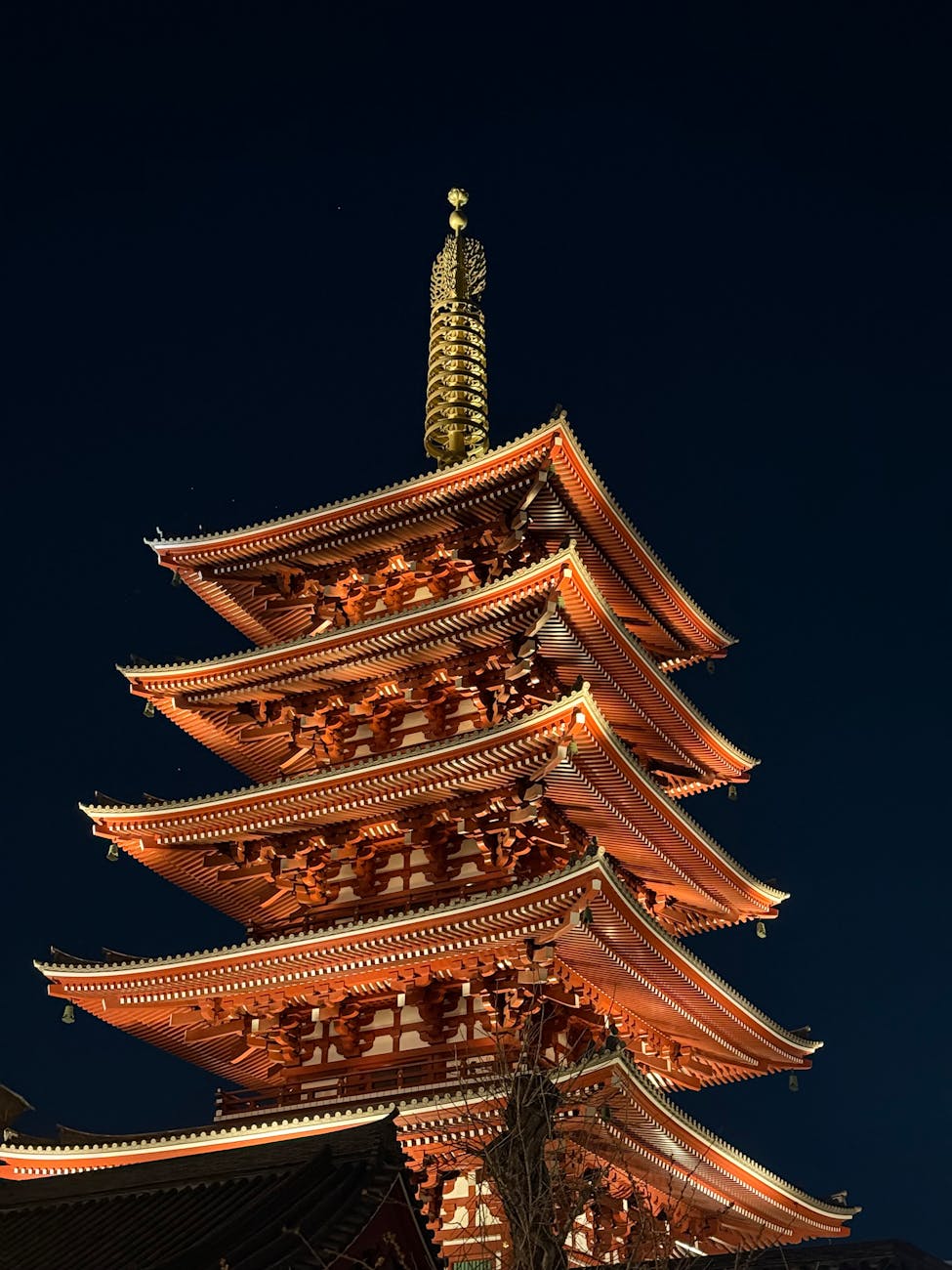
Sensōji 浅草寺: Moving Toward Something
At Sensōji, everything felt like it was gently guiding me forward. From the moment I walked under the Kaminarimon gate, the lanterns, the crowds, and even the smell of incense seemed to lead me straight down Nakamise Street to the Main Hall. The hall felt solid and protective, with its symmetrical shape and bright vermilion color. Standing there, I felt like the space was inviting me to stop, pay attention, and take a quiet moment in front of something sacred.
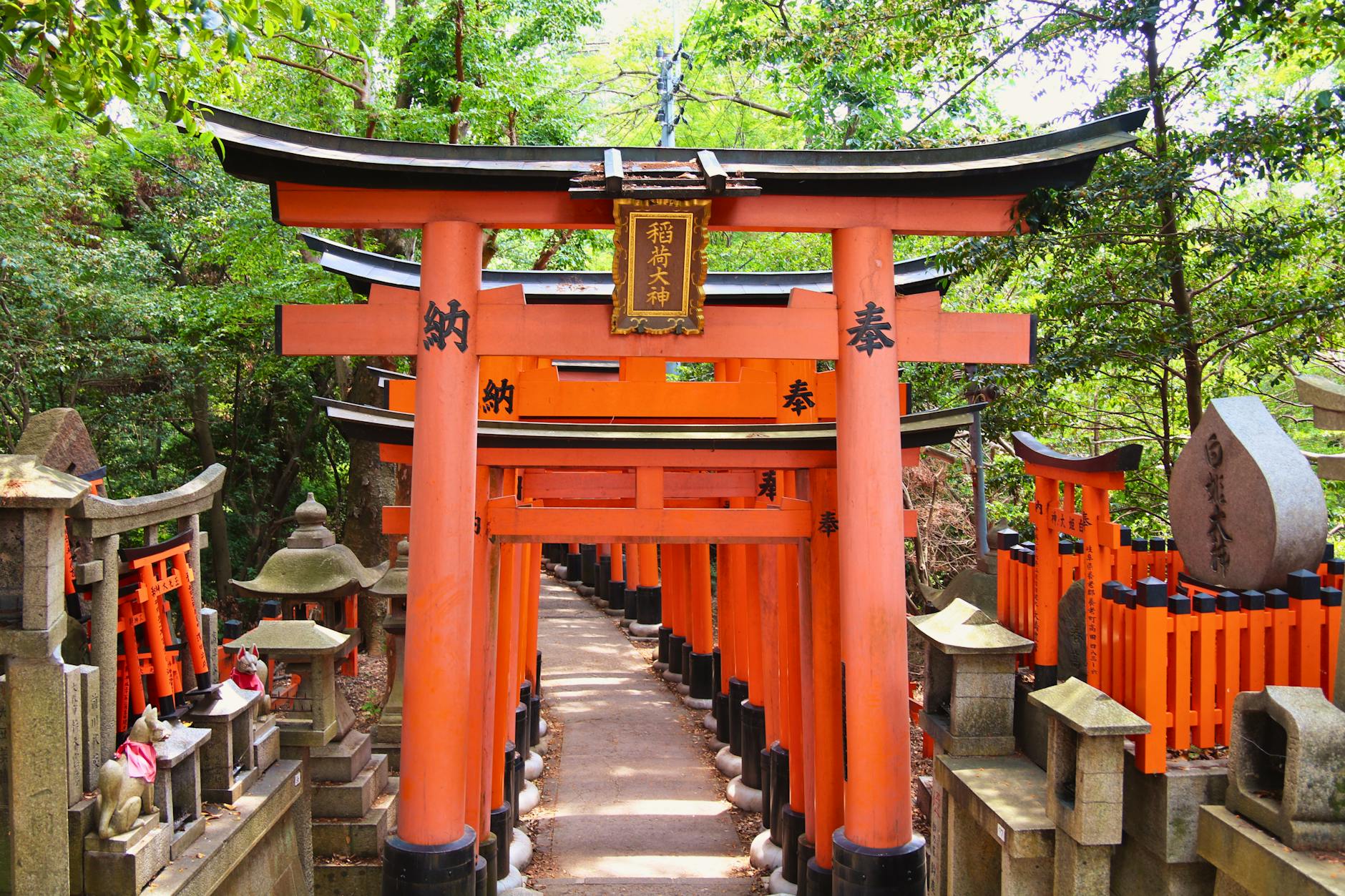
Fushimi Inari Taisha 伏見稲荷大社: Learning Through Walking
Fushimi Inari felt completely different. There was no big arrival moment or single building to see. Instead, I walked step by step through thousands of torii gates. The gates followed the forest and the mountain, not against it, and the path kept unfolding in front of me. Walking there felt almost meditative. I noticed my breathing, the crunch of gravel under my feet, and the wind in the trees. The architecture was teaching me to enjoy the journey, not rush to the end.
Two Experiences, One Lesson
Sensōji taught me about stillness and arrival. Fushimi Inari taught me about patience and the journey. Both showed me how architecture can shape the way we experience space, movement, and even time. That is why I love discovering architecture while traveling. It teaches me things without ever saying a word, and it makes every place feel like its own adventure.
 Olivia Jordan
Leave a comment